Antonio Pedrosa
SEAQUAL INITIATIVE EXHIBITION
PETRICHOR
Antonio Pedrosa
27 June – 20 September 2026
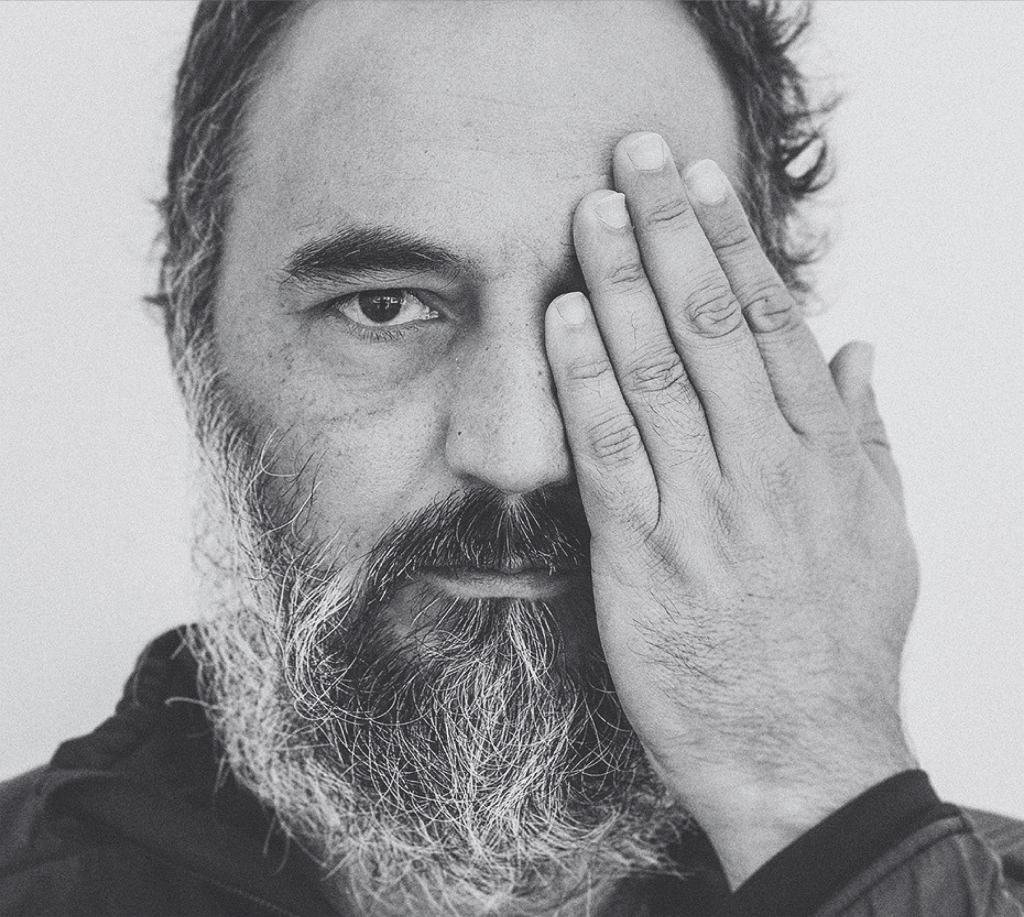
António Pedrosa is a Portuguese photographer and curator whose practice has developed over
nearly three decades, with projects mainly in documentary photography, exploring themes of
social inequality and the relationship to territory.
In parallel with his documentary practice, Pedrosa’s work has been published in both national and
International magazines and newspapers.
In 2012, he was awarded the Estação Imagem Photojournalism Prize for his project “Iraqis”. He
was nominated for the Hasselblad Masters Award in 2013 and went on to win the award in 2014
in the Editorial category, marking a significant milestone in his international recognition.
Based in Porto, Pedrosa continues to maintain an active practice in documentary photography. In
2014, he founded COLECTIVO, a platform devoted to experimentation and critical reflection
within documentary practice. His work has been recognized by institutions and platforms such as
Estação Imagem, PDN, VSCO Artist Initiative, among others.
His work is represented by Lumina Galeria in Lisbon and Masterpiece Edition in Germany.
Exhibition:
Location: Foz do Arelho
Dates: 27 June – 20 September 2026
Photography: Antonio Pedrosa
Curator: João Carlos
Programme: 200 Years of Photography Celebrations | F/262 International Photography Festival
Audio Description
Português
A imagem apresenta uma fotografia a cores, de tons suaves, mostrando um falcão em grande plano sobre um fundo claro e desfocado.
A ave ocupa quase toda a composição e encontra-se voltada ligeiramente para a direita, com a cabeça inclinada para baixo numa postura tranquila e contemplativa. A plumagem é predominantemente branca e creme, marcada por numerosas manchas e riscas castanho-escuras distribuídas pelo peito e pelas asas. As penas revelam uma textura delicada e densa, evidenciada pela luz suave da fotografia.
Sobre a cabeça do falcão encontra-se um capuz tradicional de falcoaria. O capuz, feito em couro castanho-escuro, ajusta-se à cabeça da ave e cobre-lhe os olhos. No topo ergue-se um pequeno elemento decorativo em couro, rematado por uma tira curva que se eleva como uma pequena crista. Algumas correias pendem livremente ao lado.
Apesar de os olhos estarem cobertos, é visível parte do bico curvo e cinzento que emerge sob a extremidade do capuz. O corpo do falcão transmite simultaneamente força e serenidade, sugerindo disciplina, paciência e controlo.
A reduzida profundidade de campo separa a ave do fundo, concentrando a atenção nos detalhes das penas, no trabalho artesanal do couro e na longa tradição da relação entre o ser humano e as aves de rapina. A atmosfera geral é calma, íntima e contemplativa.
English
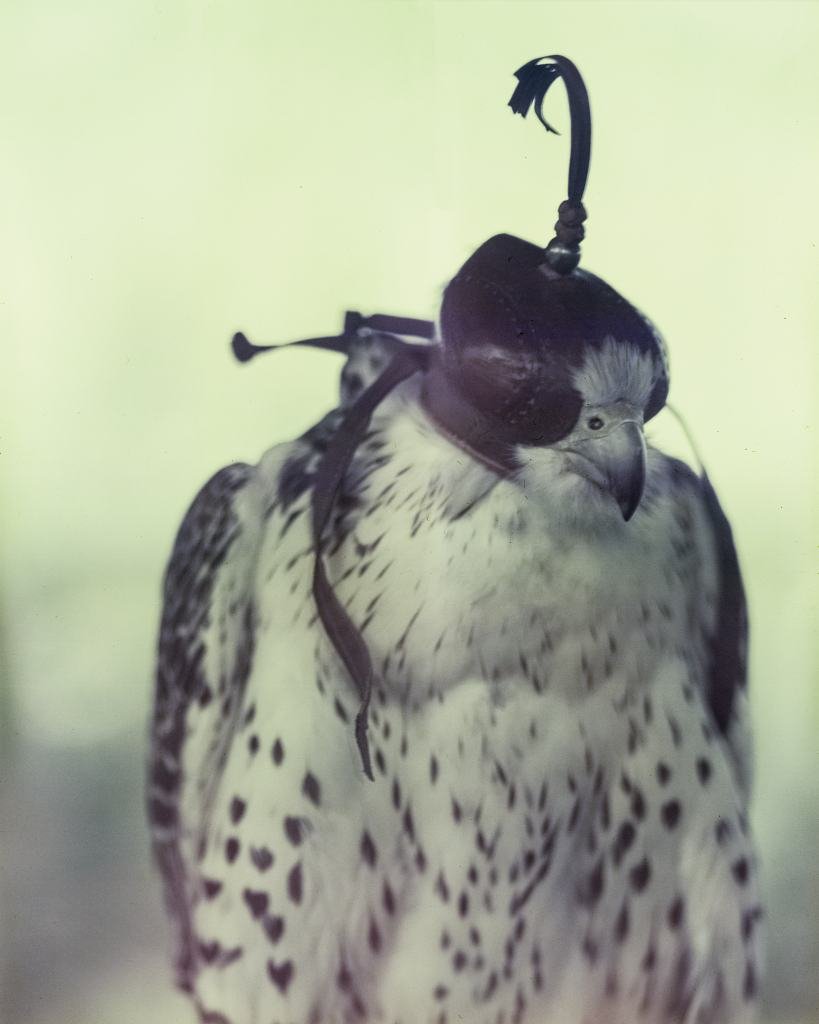
The image is a softly toned colour photograph of a falcon seen in close-up against a pale, out-of-focus background.
The bird occupies most of the frame and faces slightly to the right, its head lowered in a calm, contemplative posture. Its plumage is predominantly white and cream, marked with numerous dark brown spots and streaks across the chest and wings. The feathers appear dense and soft, with subtle variations in tone that create a delicate texture.
Perched on the falcon's head is a traditional leather hood used in falconry. The hood is made of dark brown leather and is fitted closely around the bird's head, covering its eyes. A decorative leather knot and a thin, curved strap rise from the top of the hood, extending upward like a small crest. Additional leather straps hang loosely to one side.
Although the hood conceals the bird's vision, part of its curved grey beak remains visible beneath the leather. The falcon's body appears powerful yet composed, conveying a sense of discipline, patience, and quiet strength.
The shallow depth of field isolates the bird from its surroundings, directing full attention to the intricate details of the feathers, leather craftsmanship, and the centuries-old relationship between humans and birds of prey. The overall atmosphere is serene, intimate, and reflective.
Audio Description
Forgotten in the Past
Martin Krystynek
The photograph is presented in black and white and depicts an outdoor scene in a temporary settlement.
In the foreground stand two children, positioned in front of a weathered caravan. The child at the centre of the image appears younger, perhaps eight or nine years old. He stands facing the camera directly, his arms resting by his sides. His expression is serious and subdued. He wears dark clothing and muddy trainers, and his feet are surrounded by wet ground and scattered debris.
To the right stands an older child, leaning against a rough wooden structure. The child wears a large camouflage-patterned jacket, rolled-up trousers, and worn canvas shoes. Their head is turned slightly toward the younger child, creating a visual connection between the two figures.
Behind them rises the side of a caravan, stained by age and exposure. Its pale surface fills much of the background, marked by dirt, scratches, and signs of long-term use. Around the edges of the frame are improvised structures made from timber, metal sheets, and other salvaged materials.
The ground is uneven, muddy, and covered with puddles. Reflections shimmer in the water among discarded objects, fragments of rubbish, and traces of daily life. The textures of mud, wood, metal, and worn clothing are rendered with striking detail through the photograph’s high contrast and grain.
In the upper background, partially obscured by structures and distance, a few additional figures can be seen moving through the settlement. Trees rise beyond the encampment, forming a darker horizon line against the sky.
The composition draws attention to the children and their environment. Their stillness contrasts with the complexity of the surroundings, creating a powerful sense of vulnerability, resilience, and human presence.
Through its monochrome palette and documentary approach, the image invites reflection on childhood, social inequality, and lives that often remain unseen or overlooked.
Audiodescrição –
Esquecidos no Passado
Martin Krystynek
A fotografia é apresentada a preto e branco e retrata uma cena ao ar livre num assentamento temporário.
Em primeiro plano encontram-se duas crianças, posicionadas diante de uma caravana envelhecida. A criança ao centro da imagem aparenta ser mais nova, com cerca de oito ou nove anos. Está voltada diretamente para a câmara, com os braços junto ao corpo. A sua expressão é séria e reservada. Veste roupa escura e sapatilhas gastas, rodeada por terreno enlameado e resíduos espalhados pelo chão.
À direita encontra-se uma criança mais velha, apoiada numa estrutura improvisada de madeira. Usa um casaco largo com padrão camuflado, calças arregaçadas e sapatos de lona já muito usados. A cabeça está ligeiramente voltada na direção da criança mais nova, criando uma ligação visual entre ambas as figuras.
Por trás delas ergue-se a lateral de uma caravana marcada pelo desgaste do tempo. A superfície clara está coberta por manchas, riscos e sinais de utilização prolongada. Nas margens da fotografia observam-se construções improvisadas feitas com tábuas, chapas metálicas e outros materiais reaproveitados.
O solo é irregular, húmido e coberto por poças de água. Pequenos reflexos surgem à superfície, entre fragmentos de lixo, objetos abandonados e vestígios do quotidiano. As texturas da lama, da madeira, do metal e das roupas gastas são reveladas com grande detalhe através do forte contraste e da granulação característica da imagem.
Ao fundo, parcialmente ocultas pelas estruturas e pela distância, podem distinguir-se algumas figuras humanas a circular pelo espaço. Mais atrás, uma linha de árvores delimita o horizonte e enquadra a paisagem.
A composição conduz o olhar para as duas crianças e para o ambiente que as rodeia. A sua quietude contrasta com a complexidade do cenário, criando uma sensação simultânea de vulnerabilidade, resistência e presença humana.
Através da linguagem documental e da utilização do preto e branco, a fotografia convida à reflexão sobre a infância, a desigualdade social e as vidas que frequentemente permanecem invisíveis ou esquecidas.
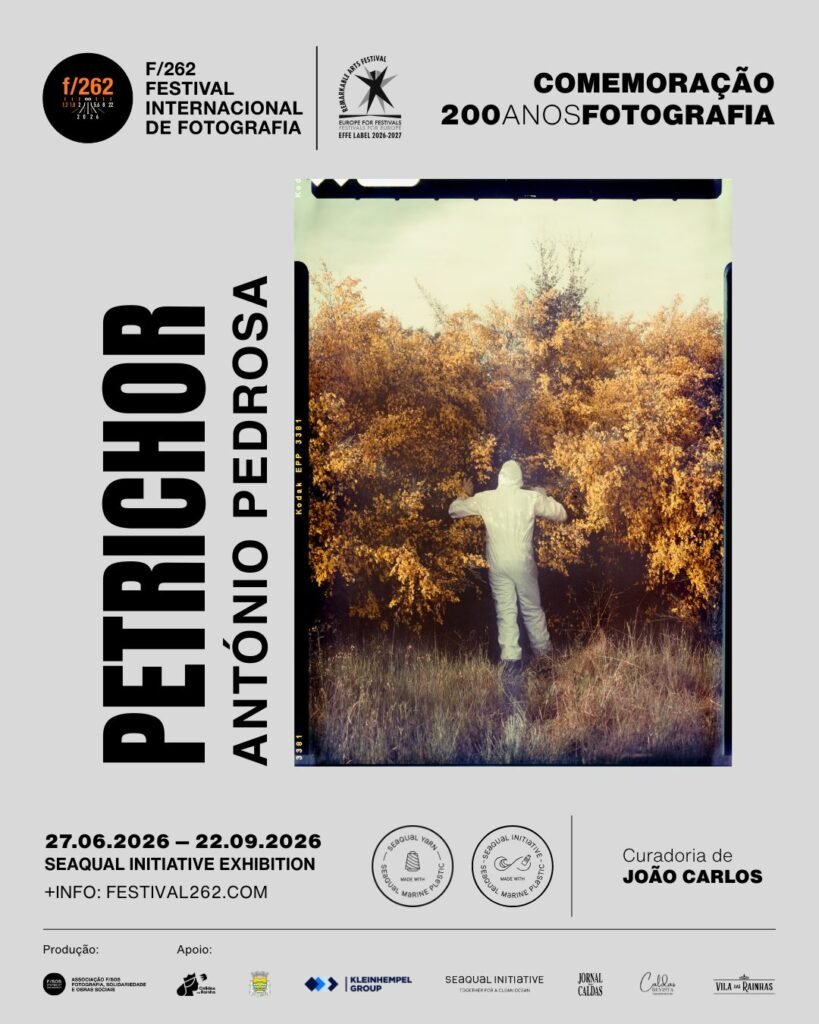
🎧 Audio Description
Listen to the audio description of the exhibition poster for Petrichor by António Pedrosa.
🎧 Audiodescrição
Ouça a audiodescrição do cartaz da exposição Petrichor, de António Pedrosa.
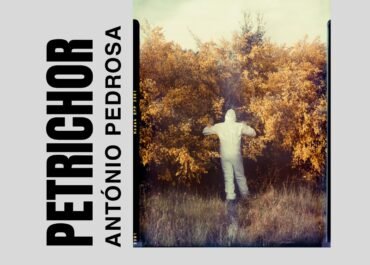
Audio Description – Exhibition Poster
The image shows the poster for the exhibition Petrichor by António Pedrosa, presented as part of the F/262 International Photography Festival and the international celebrations marking 200 years of photography.
The poster uses a light grey background with bold black typography and a clean graphic layout. At the top appear the logos of the festival and the bicentennial celebrations of photography.
Along the left side, the exhibition title Petrichor appears in large vertical black letters. Beside it, also arranged vertically, is the photographer’s name, António Pedrosa.
At the centre of the poster is a colour photograph framed by the visible borders of a photographic negative. The image depicts a solitary figure standing in a natural landscape. The person is viewed from behind and wears a white protective suit with a hood covering the head. Their arms are slightly extended to either side, creating a gesture that suggests openness, observation, or encounter.
The figure faces a dense wall of vegetation illuminated by warm autumn light. The trees and shrubs are covered with golden-yellow leaves that fill most of the composition. In the foreground, dry grasses occupy the lower portion of the image. The contrast between the bright white suit and the rich golden tones of the foliage immediately draws the eye.
The photograph possesses a dreamlike quality, enhanced by the visible film borders, soft colours, and subtle imperfections associated with analogue photography. The scene appears suspended between documentation and imagination, inviting contemplation rather than explanation.
In the lower section of the poster appear the exhibition details, including the dates from 27 June to 22 September 2026, references to the SEAQUAL Initiative Exhibition, and the curatorial credit to João Carlos. Along the bottom edge are the logos of the supporting institutions and partners.
The overall composition evokes themes of nature, presence, transformation, and the complex relationship between human beings and the environment.
Audiodescrição – Cartaz da Exposição
A imagem apresenta o cartaz da exposição Petrichor, de António Pedrosa, integrada no F/262 – Festival Internacional de Fotografia e nas comemorações dos 200 anos da fotografia.
O cartaz utiliza um fundo cinzento-claro com uma composição gráfica limpa e tipografia preta de grande impacto visual. Na parte superior surgem os logótipos do festival e das comemorações do bicentenário da fotografia.
Ao longo da margem esquerda, o título da exposição, Petrichor, surge disposto verticalmente em letras negras de grande dimensão. Ao lado encontra-se igualmente o nome do fotógrafo, António Pedrosa, também apresentado na vertical.
Ao centro do cartaz encontra-se uma fotografia a cores enquadrada pelas margens visíveis de um negativo fotográfico. A imagem mostra uma figura solitária inserida numa paisagem natural. A pessoa é vista de costas e veste um fato branco de proteção com capuz. Os braços encontram-se ligeiramente abertos para os lados, num gesto que sugere observação, presença ou encontro.
A figura está voltada para uma massa densa de vegetação iluminada por luz quente de outono. Árvores e arbustos cobertos por folhas douradas e amarelas ocupam grande parte da composição. Em primeiro plano observam-se ervas secas que cobrem o solo. O contraste entre o branco luminoso do vestuário e os tons quentes da vegetação atrai imediatamente o olhar.
A fotografia possui uma atmosfera onírica e contemplativa, reforçada pela presença das margens do negativo, pelas cores suaves e pelas pequenas imperfeições características da fotografia analógica. A imagem parece situar-se entre o registo documental e a imaginação, convidando à reflexão.
Na parte inferior do cartaz encontram-se as informações da exposição, incluindo as datas de apresentação, de 27 de junho a 22 de setembro de 2026, a referência à SEAQUAL Initiative Exhibition e a indicação da curadoria de João Carlos. Ao longo da margem inferior surgem os logótipos das entidades parceiras e apoiantes.
A composição transmite uma sensação de mistério, transformação e proximidade com o mundo natural, evocando a relação delicada entre o ser humano e o ambiente que o rodeia.




Produced by F/262 & Associação F/SOS



With the support of:

May – September 2026
Caldas da Rainha Portugal
About F/262
F/262 is an international photography festival rooted in Caldas da Rainha, Portugal.
Through exhibitions, talks, education, and public installations, the festival engages contemporary photography with place, community, and the world we share.
©2026 F/262 – Festival Internacional de Fotografia
Produced by Associação F/SOS – Fotografia, Solidariedade e Obras Sociais
 English (UK)